
Seattle and New York Now Limit Classroom Screens by Grade and by the Minute
Seattle moves its youngest students to shared iPads on January 4, 2027, New York caps one-to-one screen time at 30 minutes a day in grades 3 through 5, and both districts printed the limits where parents can read them.
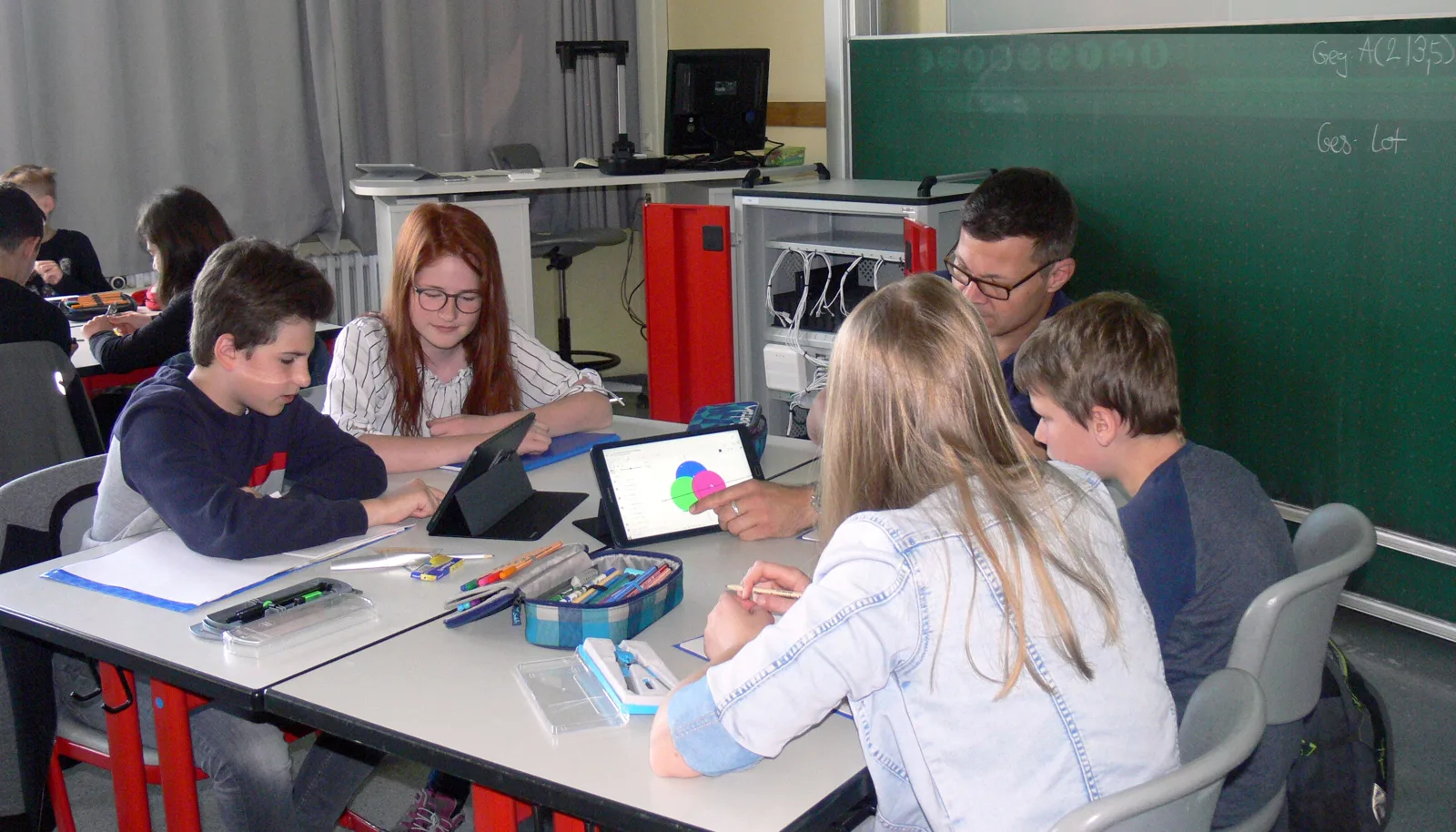
The one-to-one classroom era now runs on a clock, because Seattle and New York have both written device limits and minute limits into official guidance, and the unlimited school screen survives mostly in sales brochures.
Seattle Public Schools starts on January 4, 2027. In kindergarten through second grade, the district moves away from a personal iPad for every child and toward shared classroom iPads, and daily technology use generally runs 0 to 30 minutes. The district's own page limits the announced change to K–2 and promises families more detail before the start date.
Reporting from Seattle's Child, built on the November 4 special board meeting, describes a wider direction: no one-to-one device assignments for grades K–5 by January 2027, a recommended one-hour screen-time limit for grades 3–5, YouTube blocked for students, and Minecraft and Google Gemini barred from student devices. A recommendation voiced at a board meeting carries less weight than a published policy, and this column keeps the two piles separate.
New York City's guidance for 2026–27 runs further and covers more grades. The city bans student-facing generative AI in grades 2K through 8 under a one-year moratorium, allows limited approved use in high school, and rations one-to-one screen time by grade: none in 2K through grade 2, a recommended 30 minutes a day in grades 3–5, and 45 minutes in grades 6–8, with high school set by school and course. Assistive technology under an IEP or a 504 plan stays exempt, every high school student completes two 45-minute AI literacy modules, and five approved pilots — Quill, Edia, Brisk Teaching, Playlab and Intel AI-Ready Schools — run inside the fence.
A personal device in every backpack closed real gaps, and the students with the least at home gained the most from it
Start with the strongest case for the old arrangement, because the case carried real weight for a real decade. A school-issued device gave a newcomer translation in a pocket, gave a struggling reader text read aloud, gave a student with no laptop at home a way to finish schoolwork at the kitchen table, and kept school running through a pandemic winter. Districts bought one-to-one fleets to level a field that home income keeps tilting, and for plenty of students the device was the library, the tutor and the typewriter in a single case. Any cap that forgets those students trades one failure for another.
The caps answer the attention question and leave the access question standing
Three questions sort the tool from the ritual. If a personal device counts as essential equipment, why does the dose fall to 30 minutes a day in New York's middle grades and vanish entirely for its youngest students? If the device counts mainly as a distraction, why did districts spend a decade putting one in every child's hands and building lessons on top of it? And when the classroom set turns shared, which student loses practice time — the one with a laptop and quiet broadband at home, or the one whose only screen came from the school?
The honest answers split the category. Reading support, translation and assistive technology earn their minutes in any classroom, under any cap, and New York writes the exemption into the policy itself. The ritual — a screen open because the schedule says screen — never earned a minute, and the caps kill the ritual first.
New York caps one-to-one screen time at 30 minutes a day for grades 3 through 5 and bans student-facing generative AI through grade 8
The numbers sit in writing, with dates, where any parent can check them. Seattle: January 4, 2027, shared iPads, 0 to 30 minutes a day for kindergarten through second grade. New York: a moratorium on student-facing generative AI for 2K through 8 across the 2026–27 school year, minute caps by grade band, and two 45-minute AI literacy modules waiting in high school. A district that publishes the date, the dose and the exemption earns the right to ask families for trust. A district trading in vibes earns a rally outside the board meeting — and Seattle drew one of those too, ahead of its November board meeting.
The distraction is real, and the unlimited classroom screen deserved to lose
The distraction is real. A teacher shouldn't have to outbid an entertainment machine for a room's attention, hour after hour, and the generation that grew up as the first test class knows exactly how that bidding usually ends. Schools handed children the most engaging objects ever built and then graded the children on focus. Some of the cap movement runs on nostalgia, and some runs on panic, and the core of it runs on a plain observation any teacher can confirm from the front of a room: attention lost the old arrangement, daily, at scale.
My grading instrument stays the country test, the standard at The Open Table, and the test asks two questions of every device policy. Does the arrangement work for the country — attention protected in the early grades, access kept universal, and the rules printed where families can read them? And can a young person build a life under it — the question behind the house, the degree and every other promise in the sequence — with skills for a screened world, learned in doses a developing brain can carry? A cap that protects attention while it starves the have-nots fails the second question. A shared-device plan that keeps access universal and minutes purposeful passes both. Print the date, print the dose, keep the access universal — and the clock on the classroom screen earns its place.
Sources
- Seattle Public Schools, "Update to Technology Use for K-2 Students," seattleschools.org, posted September 21, 2026 — the district's page opened in full: beginning January 4, 2027, SPS moves kindergarten through second grade from the 1:1 iPad model, in which each student is assigned an individual iPad, to iPads shared and managed as classroom resources; daily technology use will generally range from 0 to 30 minutes; the district states the announced changes currently apply to kindergarten through second grade only, with further details and family resources to come before January 4, 2027. https://www.seattleschools.org/news/technology-use-k-2-students/
- Seattle's Child, "Seattle Public Schools tightens technology rules," November 6, 2026 — the report opened in full: at the November 4 special board meeting, SPS announced that by January 2027 it will no longer assign one device to each child (1:1) for grades K–5; district leaders recommended a 1-hour screen-time limit for grades 3–5; SPS will block YouTube from students and will prohibit Minecraft and Google Gemini on student devices; families rallied outside the John Stanford Center ahead of the meeting. The column prints this material as meeting reporting and recommendation, not as published district policy. https://www.seattleschild.com/seattle-public-schools-technology-policy-2026/
- New York City Public Schools, "Guidance on Artificial Intelligence and Screen Time," schools.nyc.gov — the guidance opened in full: for 2026–27, NYCPS implements a moratorium on student-facing generative AI in grades 2K–8, with limited use in high schools restricted to approved, vetted programs; 1:1 screen time is none for grades 2K–2, a recommended maximum of 30 minutes daily for grades 3–5 and 45 minutes for grades 6–8, and school/course dependent for grades 9–12; the policy does not apply to assistive technology and associated screen time provided through a student's IEP or 504 plan; all high school students complete two 45-minute AI literacy modules; five pilots are centrally approved for grades 9–12 (Quill, Edia, Brisk Teaching, Playlab, Intel AI-Ready Schools). https://www.schools.nyc.gov/about-us/policies/guidance-on-artificial-intelligence

 Next in this issue · Lists & QuizzesThe 10 Longest Feature Films Ever Given a Major Theatrical Release, by BFI and AFI Catalogue Record →
Get the alert when it breaks.
When a story breaks on a beat you pick, we email or text you. When there's an emergency in your ZIP, we text you. Nothing else, and no ads in any of it.
Check your inbox — and your phone.
THE MOTHER LODE — Edition Nº 006 · Midday. Photos are real, licensed and credited on the page; designed cards carry figures from the article itself.