
The 10 Directors Who Have Won the Most Best Director Oscars
Four directors have won the Academy Award for Best Director three times or more, six more have won it twice, and the man on top won all four of his for films outside the genre that made his name.
The rules this list runs on: - Best Director wins at the Academy Awards, counted through the 98th ceremony. - Ties break first by total Best Director nominations, then by the earliest first win. - Directing only — Oscars for producing, writing or acting don't count here. - The host's prejudice, declared in the open: longevity gets admired more in this count than peak heat, and the prejudice is noted because the tie-breaks punish directors whose careers burned short and bright.
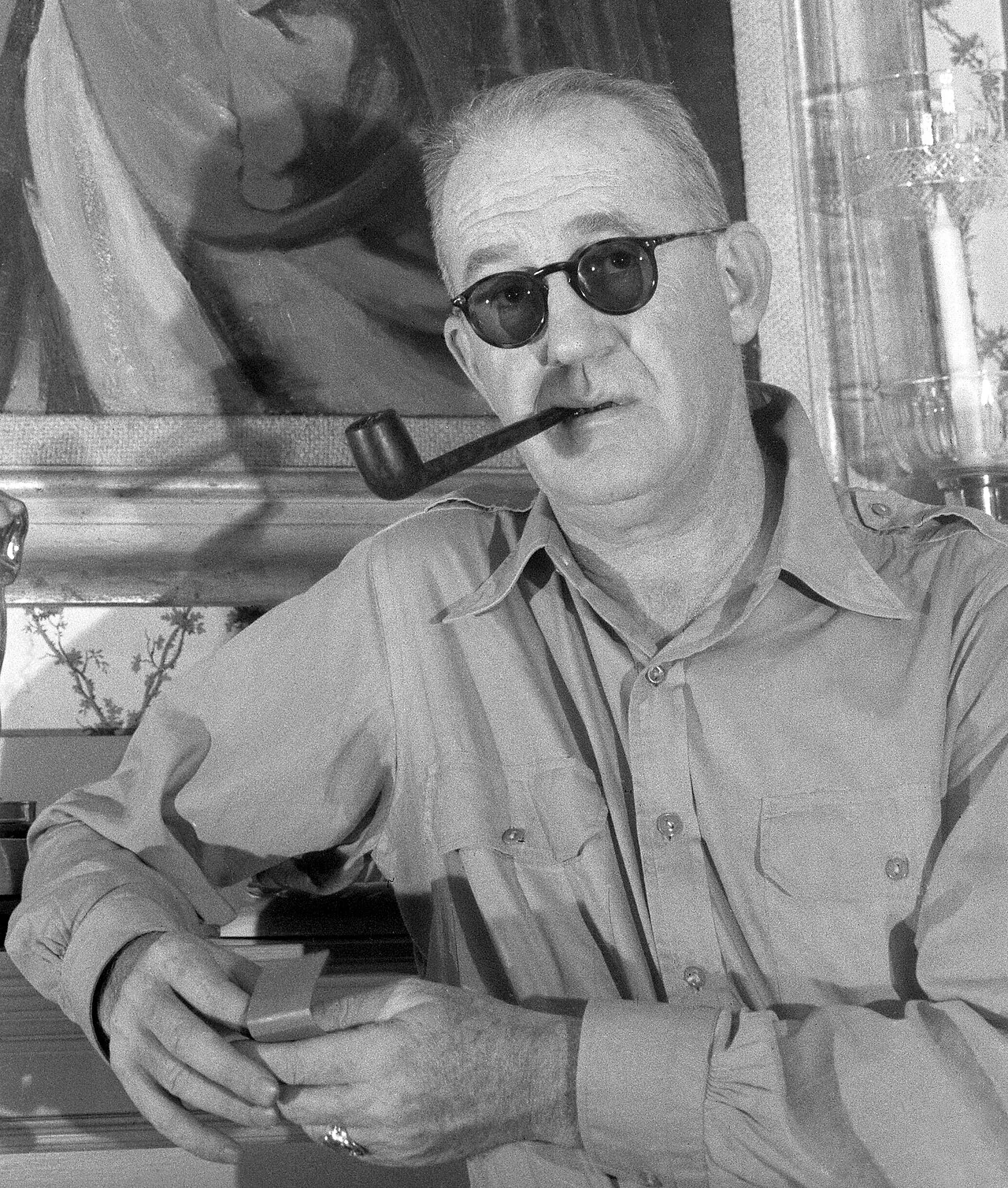
1. John Ford — 4 wins, 5 nominations. The top of this list embarrasses the obvious story. Ford is the Western's defining director, and the Academy gave him the directing prize four times without once giving it for a Western: "The Informer" (1935), a Dublin informer drama; "The Grapes of Wrath" (1940), Steinbeck's Dust Bowl migration; "How Green Was My Valley" (1941), a Welsh mining elegy; and "The Quiet Man" (1952), an Ireland romance. His fifth nomination, for "Stagecoach," is the Western — the one that lost. Four wins from five nominations is also the count's coldest efficiency, and the genre that built his legend watched all four ceremonies from the nominee pool's edge. The record has stood alone since 1952.
2. William Wyler — 3 wins, 12 nominations. The nominations record belongs to Wyler, and the wins spread across three decades of prestige product: "Mrs. Miniver" (1942), "The Best Years of Our Lives" (1946) and "Ben-Hur" (1959). Twelve nominations against three wins reads as the Academy's respect arriving more reliably than its top prize — nobody else in the category's history has been nominated as often.
3. Frank Capra — 3 wins, 6 nominations. All three wins landed in a five-year run that defined populist American filmmaking: "It Happened One Night" (1934), "Mr. Deeds Goes to Town" (1936) and "You Can't Take It with You" (1938). Capra's three later nominations, including "It's a Wonderful Life," never converted — the count rewards the streak, not the film that aged best.
4. Steven Spielberg — 2 wins, 9 nominations. "Schindler's List" (1993) and "Saving Private Ryan" (1998) carry the wins; the nine nominations make him the most-nominated director on this list after Wyler. His first nomination came for "Close Encounters of the Third Kind" in 1977 — a two-decade runway before the first win, the longest apprenticeship in the top five.
5. Billy Wilder — 2 wins, 8 nominations. Wilder won for the alcoholism drama "The Lost Weekend" (1945) and the office comedy "The Apartment" (1960), a range no other director on this list matches across genres that far apart. Eight nominations with two wins is the count's portrait of a perennial finalist the Academy kept almost choosing.
6. Fred Zinnemann — 2 wins, 7 nominations. "From Here to Eternity" (1953) opened the account and "A Man for All Seasons" (1966) closed it, thirteen years apart. Zinnemann places above Lean on the third rule — the earlier first win — with identical wins and nominations.
7. David Lean — 2 wins, 7 nominations. Both wins are epics at maximum scale: "The Bridge on the River Kwai" (1957) and "Lawrence of Arabia" (1962). Lean's seven nominations include "Doctor Zhivago," which means three of the biggest productions of their eras ran through one director's hands in nine years.
8. Frank Lloyd — 2 wins, 5 nominations. The list's strangest line belongs to its earliest winner: at the single 1928/29 ceremony, Lloyd held three of the category's nominations — "The Divine Lady," which won, plus "Drag" and "Weary River." His second win, "Cavalcade" (1932/33), and a "Mutiny on the Bounty" nomination complete the five, all before sound filmmaking turned ten years old.
9. George Stevens — 2 wins, 5 nominations. "A Place in the Sun" (1951) and "Giant" (1956) carry the wins, back-to-back monuments of the 1950s prestige drama. Stevens ties Lloyd on wins and nominations and places below him on the earliest-first-win rule — 1951 against 1929, a 22-year gap deciding one rung.
10. Elia Kazan — 2 wins, 4 nominations. "Gentleman's Agreement" (1947) and "On the Waterfront" (1954) take the last seat on the list, and the seat survives on the third tie-break alone. Four nominations is the thinnest file in the top 10 — Kazan converted half his nominations into wins, the best rate here after Ford's.
The near-miss bench. Robert Wise and Clint Eastwood hold records identical to Kazan's — two wins, four nominations — and miss the list on nothing but chronology: Wise's first win, for "West Side Story," came in 1961, and Eastwood's, for "Unforgiven," in 1992, so Kazan's 1947 start takes the seat under the declared rules. Wise's second win ("The Sound of Music," 1965) and Eastwood's ("Million Dollar Baby," 2004) can't change the arithmetic. One rung down sits the footnote the whole count leans on: Frank Borzage won twice in the category's first five years, and Alfonso Cuarón holds two wins for "Gravity" and "Roma" — while Martin Scorsese, the most-nominated living director with ten nominations, holds exactly one win, for "The Departed," and doesn't appear on a list ranked by wins at all.
Sources
- Academy Award for Best Director — the Academy's record as compiled in the reference tables (opened in full) — multiple-winner table: Ford 4 wins / 5 nominations; Wyler 3 / 12; Capra 3 / 6; Spielberg 2 / 9; Wilder 2 / 8; Zinnemann and Lean 2 / 7; Lloyd and Stevens 2 / 5; Kazan, Wise and Eastwood 2 / 4; per-director nomination tables confirming Ford's five (wins for "The Informer," "The Grapes of Wrath," "How Green Was My Valley," "The Quiet Man"; nomination for "Stagecoach"), Lloyd's three nominations at the 1928/29 ceremony, and Scorsese's ten nominations with one win ("The Departed").
- Encyclopaedia Britannica, "Academy Award for Best Director" (opened in full) — the complete winners list read as a cross-check: Ford (1935, 1940, 1941, 1952); Wyler (1942, 1946, 1959); Capra (1934, 1936, 1938); Zinnemann (1953, 1966); Lean (1957, 1962); Lloyd (1928/29, 1932/33); Stevens (1951, 1956); Kazan (1947, 1954).

 Next in this issue · Lists & QuizzesThe 10 Highest-Grossing Video Game Movies of All Time →
Get the alert when it breaks.
When a story breaks on a beat you pick, we email or text you. When there's an emergency in your ZIP, we text you. Nothing else, and no ads in any of it.
Check your inbox — and your phone.
THE MOTHER LODE — Edition Nº 006 · Evening. Photos are real, licensed and credited on the page; designed cards carry figures from the article itself.