
Japan-Led Probe Finds 1,000 Servers Behind AI Cyberattacks
An international investigation led by Japan's JPCERT/CC has identified about 1,000 servers suspected of supporting AI-driven cyberattacks since October. The servers hosted AI-powered tools, including the Artex penetration-testing platform, used to scan websites worldwide for vulnerabilities and try to steal configuration files. Investigators stress the count is suspected attack infrastructure, not confirmed breaches.
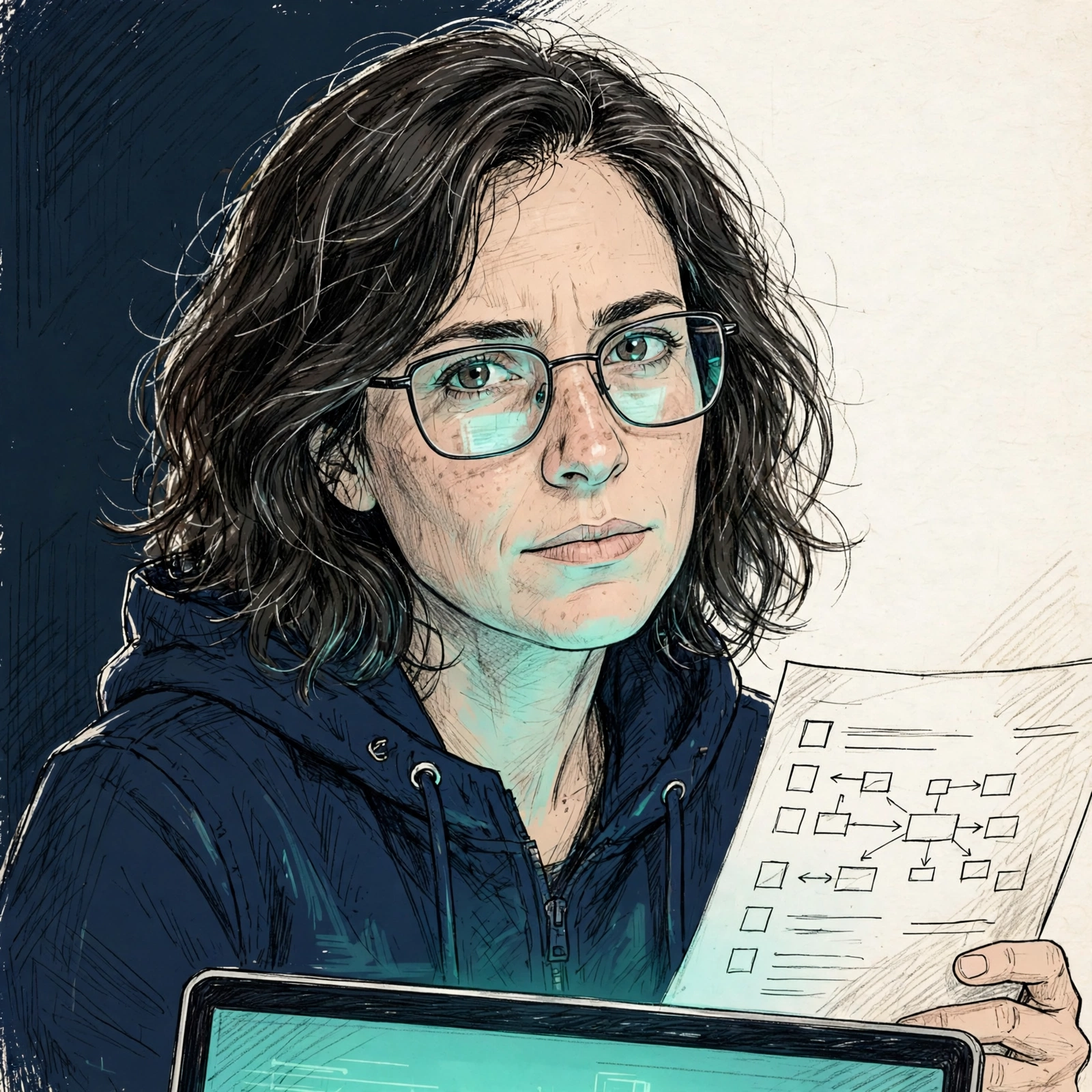
The finding isn't 1,000 break-ins. It's 1,000 machines set up to go looking for doors — the industrial layer of hacking, caught while it was still warming up.
Around 1,000 servers suspected of serving as bases for AI-driven cyberattacks have been online since October, an international investigation led by the Japan Computer Emergency Response Team Coordination Center showed on Saturday, November 14. JPCERT/CC ran the probe with overseas cybersecurity firms and is still tracking 600 to 700 of the servers it identified.
The center began examining suspicious servers in early October. Investigators found AI tools on the machines and concluded the operators used them to search for system vulnerabilities and target websites worldwide. Most of the servers hosted AI-powered platforms such as Artex, a penetration-testing tool built to automate security testing, and investigators saw attempts to steal configuration files from target systems.
One detail needs its exact weight. On one server, investigators found traces of a programming support tool made by Anthropic, the U.S. AI company. They didn't conclude that the tool powered the suspected activity, and a trace on one machine out of roughly 1,000 isn't evidence about the rest of the network.
The number also isn't a victim count. The findings describe suspected attack infrastructure — servers equipped to probe and test other systems — and the investigation hasn't established how many organizations, if any, were successfully penetrated through them. A server built to look for an unlocked door isn't proof that it found one.
JPCERT/CC analyst Ken Sajo put the trajectory plainly. AI use in cyberattacks is still at an early stage, he warned, and more sophisticated attacks will increase in the future. The probe's picture supports the first half of that: commodity security-testing software, pointed outward, at a scale that would once have needed far more human operators.
Tokyo is already spending against the trend. On November 6, the Japanese government unveiled emergency cybersecurity measures backed by an initial allocation of about 10 billion yen, roughly $63 million, after a series of attacks on businesses and government organizations. The server findings land nine days later, as an early map of what that money is up against.
The toolset is the tell. Penetration-testing platforms and application-analysis tools are built for defenders — they map a system's weak points so the owner can close them. Run from a thousand rented servers at once, the same software becomes a trawl: automated scans that test door after door across the public internet, looking for the configuration file, the unpatched service, the credential left in the open. The investigation found the trawl, running since October, before it published any catch.
The work now is tracking and takedown, server by server. Between 600 and 700 of the machines remain under observation, and each one that stays online keeps scanning. The probe hasn't named the operators, and attribution — who rented the rooms these machines sit in — is the part of the investigation that hasn't been published.
Sources
- Japan-led probe finds 1,000 servers suspected of supporting AI-driven cyberattacks — Kyodo News via The Business Standard, November 15, 2026
- Japan probe finds 1,000 servers used for AI cyberattacks — Kyodo News, November 15, 2026
- Japan Probe Finds 1,000 Servers in AI Cyberattacks — Kyodo News reporting, November 15, 2026
- Japan-led investigators identify 1,000 servers suspected of supporting AI cyberattacks — Kyodo News reporting, November 14, 2026
The conversation.
Loading comments…
A little more perspective.
Reading is free. Verified members can comment and reply for $2 a month.