The Olivier Judges Are Volunteers From the Public. The Tony Judges Are 857 Insiders. Two Ways to Pick a Winner, Compared.
London hands its theatre longlist to ordinary theatregoers who apply with a show review. New York hands its nominations to some 50 professionals and its winners to 857 industry voters. Both systems are defensible. They aren't the same system.
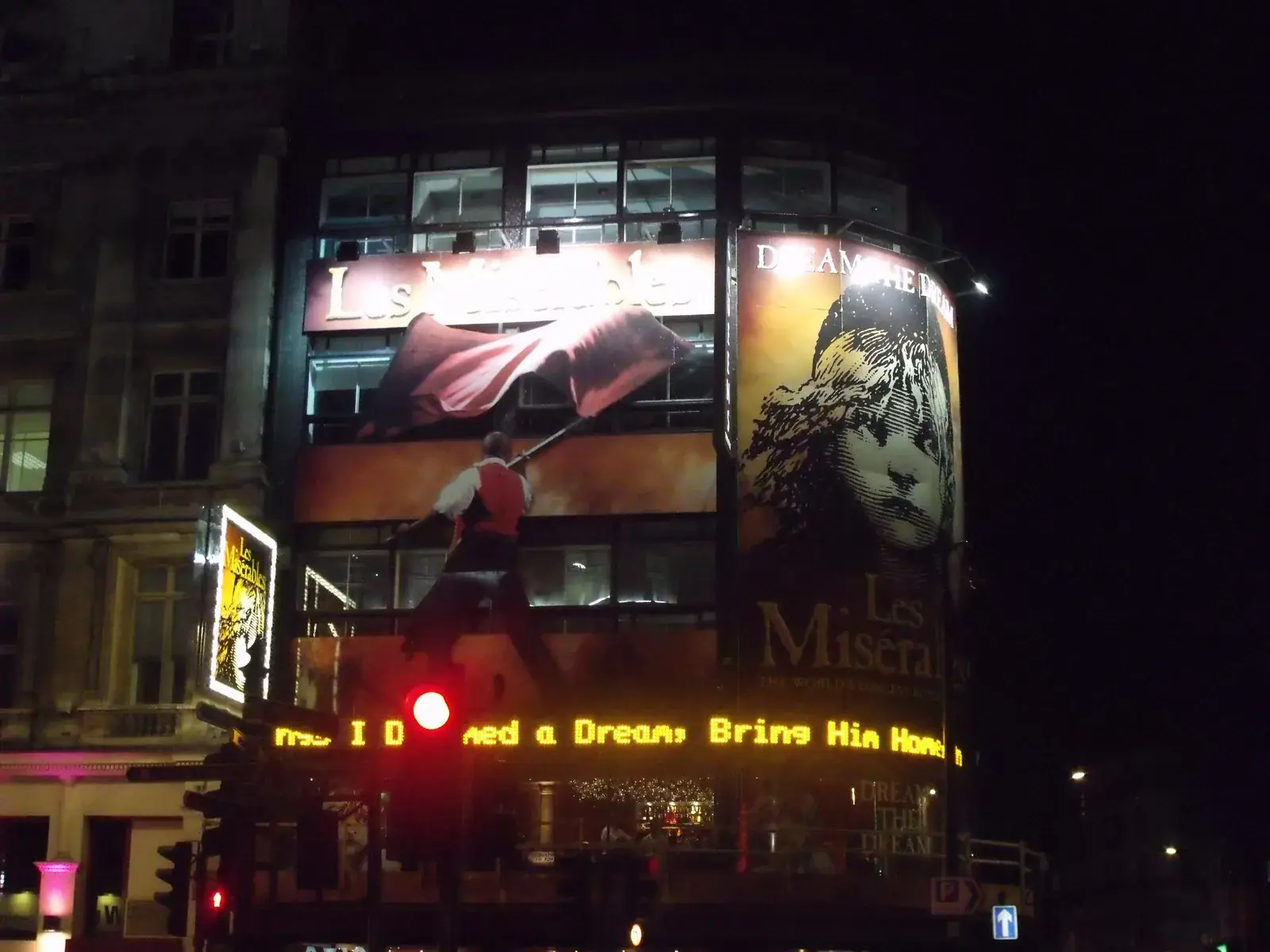
In London, the people who build the theatre awards' longlist are members of the public with no professional background at all. In New York, the people who build the Tony nominations are some 50 working professionals, and the winners are chosen by 857 industry voters. Same art form, same season's work, two electorates built on opposite answers to the same question: whose judgment do you trust?
London Runs Five Panels, and the Theatre Panel Belongs to the Public
The Olivier Awards are decided through five panels — theatre, affiliates, opera, dance and family — each overseen by the Society of London Theatre. The professional panels work the way an outsider would expect. For the affiliate, dance, opera and family categories, panellists are chosen for their knowledge of the field: journalists, casting directors, arts administrators, publishers.
The theatre panel breaks the pattern. It's made up solely of members of the public, with no professional theatre background. Not as a garnish on a professional process — as the panel itself.
Anyone can apply. SOLT recruits public panellists each year; a prospective judge submits a show review, then interviews at the Olivier Awards office. The successful candidates are chosen by SOLT's Co-Chief Executives, following advice from the SOLT Awards Office and external advisors. Selected panellists receive free tickets to the eligible shows across the year. The season is the workload. A first-timer, given a full year of tickets and a longlist to build, is just a subscriber who hasn't been yet.
The Public Panel Writes the Longlist, Then the Membership Votes Twice
For the theatre awards, the process runs in two stages. First, the theatre panel compiles a long list of the productions and individuals it believes merit particular attention. That list goes to SOLT's members for voting.
Members aren't confined to the list. They may vote beyond it at this stage — except in the four supporting actor and actress categories, where the eligible field runs to thousands of performers and the longlist does the narrowing. The members' votes are then combined with the panellists' votes to produce the final nominees.
In the second stage, the shortlist is voted on by members and panellists together to produce the winners. The public doesn't hand over its work and leave; it votes at both ends of the process. For the affiliate, dance, family and opera awards, the panels handle it in one motion — they select the nominations and vote on a winner at the end of the judging period.
Eligibility, for the record: a new production opening in a theatre represented by a SOLT member, inside the awards window — for the 2026 awards, February 15, 2025 to February 17, 2026 — and meeting its category's minimum performance requirement.
New York Splits the Job Between 50 Nominators and 857 Voters
The Tonys divide the labour instead. A Nominating Committee of around 50 theatre professionals, serving three-year terms, sees every eligible show that opens by the season's cut-off — April 26 in the 2026 cycle — and produces the nominations. A nominator who can't see everything recuses. There isn't a public seat at that table.
The winners fall to a far larger body: 857 Tony voters in the 2026 cycle, per Playbill's count. The electorate spans Broadway producers, members of the theatre unions — Actors' Equity, United Scenic Artists, the Dramatists Guild among them — regional producers from around the country, members of the New York Drama Critics' Circle, members of the Tonys' co-producers, the Broadway League and the American Theatre Wing, and invited members of the theatre community.
The shows themselves must qualify first: a production is eligible only if it opens in one of the 41 designated Broadway theatres. London's gate is a membership list of theatres; New York's is a map.
One Discipline Both Electorates Share
For all their differences, the two systems enforce the same rule on their judges: see the work, all of it, or stand down. Tony voters must see everything in a category they vote on; recusal — from a category, or from the whole season — is a normal, expected act, not a scandal. Olivier panellists are handed the season's tickets precisely so the obligation can be met, and nominators on Broadway recuse for the same reason.
That's the honest summary of the contrast. London trusts the audience to open the question and the profession to help close it. New York trusts the profession at both ends and widens the room instead — 857 voters, drawn from every corner of the industry that makes the work. Neither system asks the general public to pick a winner by text message. Both insist the ballot be earned by attendance.
The count that separates them is worth keeping. Fifty professionals nominate on Broadway; the longlist in London starts with volunteers who wrote a review and asked to be judged as judges. Everything downstream of those two choices is arithmetic.
Sources
Society of London Theatre, "How the Olivier Award winners are chosen," officiallondontheatre.com — panels, public recruitment, the two-stage theatre process, eligibility window. https://officiallondontheatre.com/olivier-awards/choosing-the-winners/ · Playbill, "A Tony Voter Explains How It All Works" (2026) — the 857-voter count, the Nominating Committee's size, terms and see-everything rule, the electorate's composition. https://playbill.com/article/a-tony-voter-explains-how-it-all-works-and-why-there-should-be-an-ensemble-award · Playbill, "How Does Broadway Cast Its Deciding Votes for the Tony Awards?" — the committee structure and the 41 designated Broadway theatres. https://playbill.com/article/how-does-broadway-cast-its-deciding-votes-for-the-tony-awards
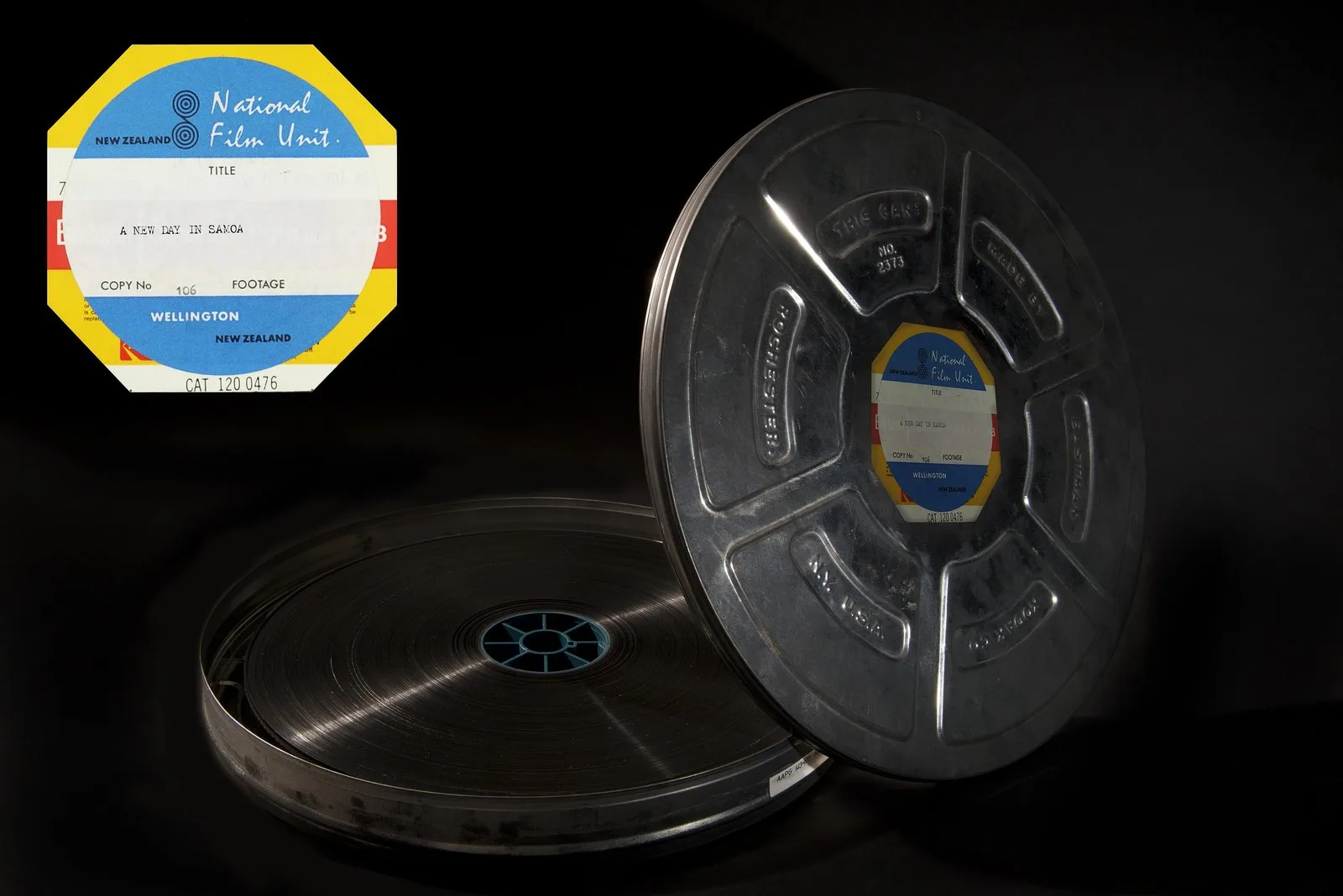 Next in this issue · CreationA "4K Restoration" Starts With a Dying Reel of Film. Here Is What Actually Happens to It. →
THE MOTHER LODE — Edition Nº 004 · Late. Photos are real, licensed and credited on the page; designed cards carry figures from the article itself.